No stories. No history lessons. Just the exact raw chemical mixing ratios, industrial shopping lists, and step-by-step application guides to force slipping transmissions, dead batteries, and sludged engines back to life for pennies.
Instant PDF Download • Secure 256-bit Encryption • 90-Day Guarantee
Step into a modern dealership service bay today, and you won't see mechanics rebuilding parts. You will see 22-year-old "technicians" who barely know how to hold a wrench, plugging a computer scanner into a port, reading an OBD code, and telling you that your older, solid truck needs a completely unnecessary $3,500 computer-locked crate swap.
When your transmission starts to slip, or your engine runs sluggish, it is rarely a catastrophic mechanical failure. In 92% of cases, it is a simple fluid polymerization and chemical breakdown.
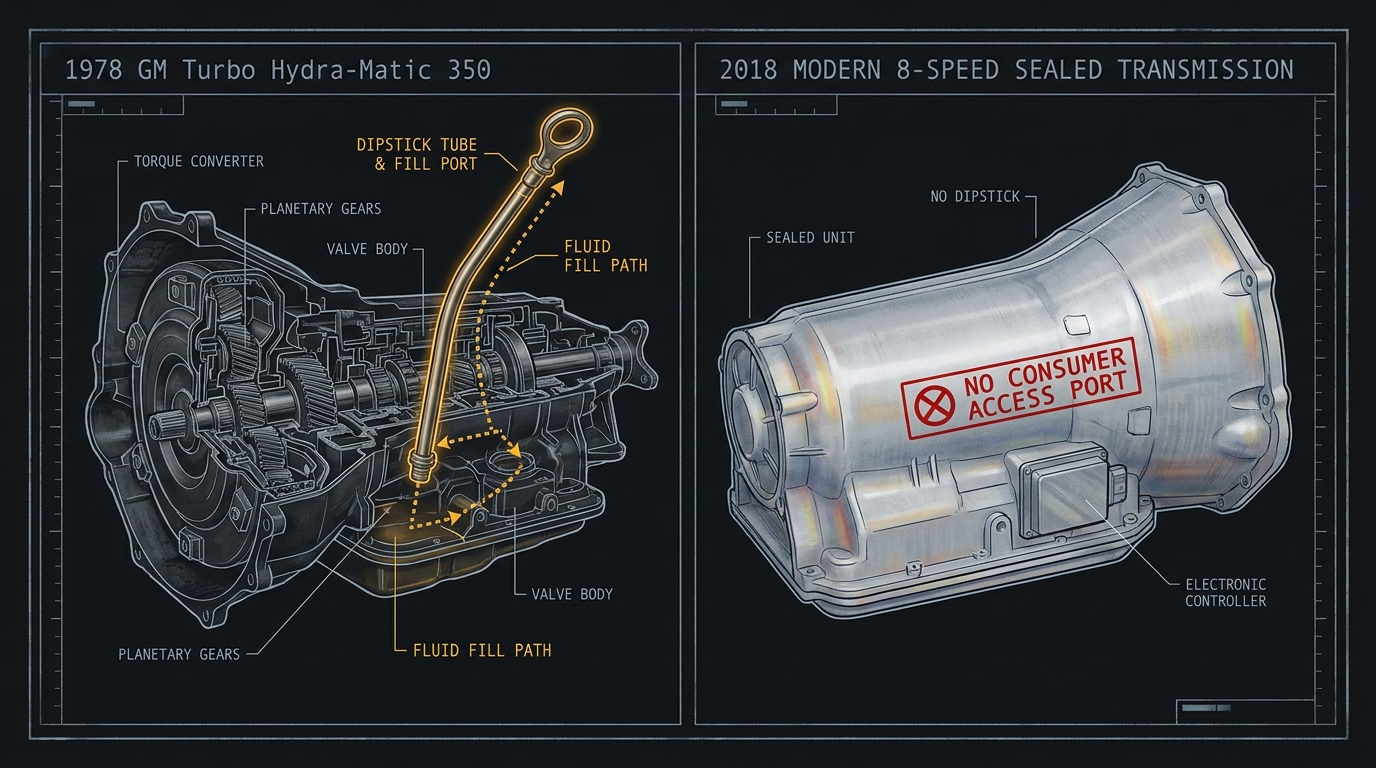
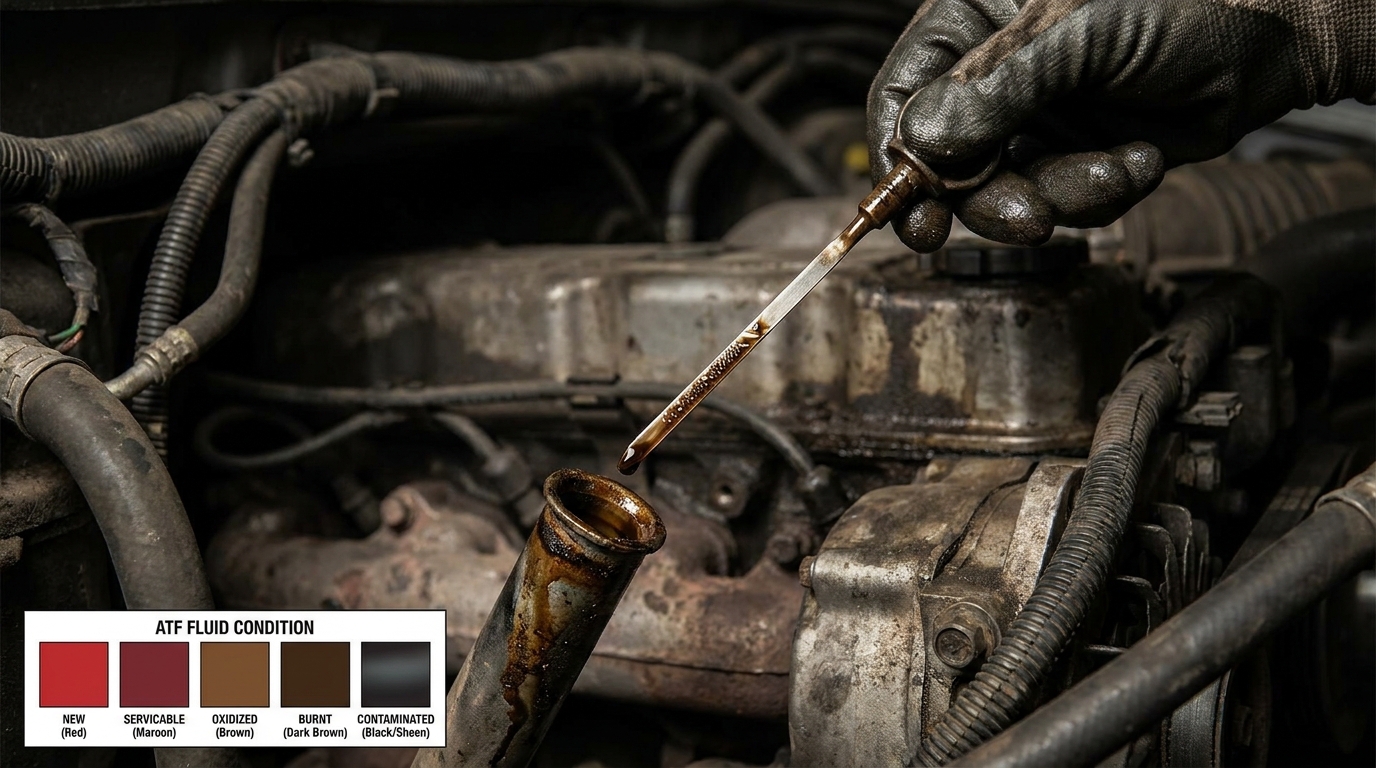
The nitrile rubber seals in your transmission dry out, shrink, and harden over time. Because they shrink by just a fraction of a millimeter, the hydraulic pressure drops. The gears slip. The dealership's computer scanner throws a code.
The dealership "service advisor" gets a commission for selling you a new transmission. They will tell you it's "cooked." But they are lying. The steel gears are perfectly fine. The clutch plates are perfectly fine. It's just the rubber seals—and those seals can be restored back to original thickness with the right chemical ratio.
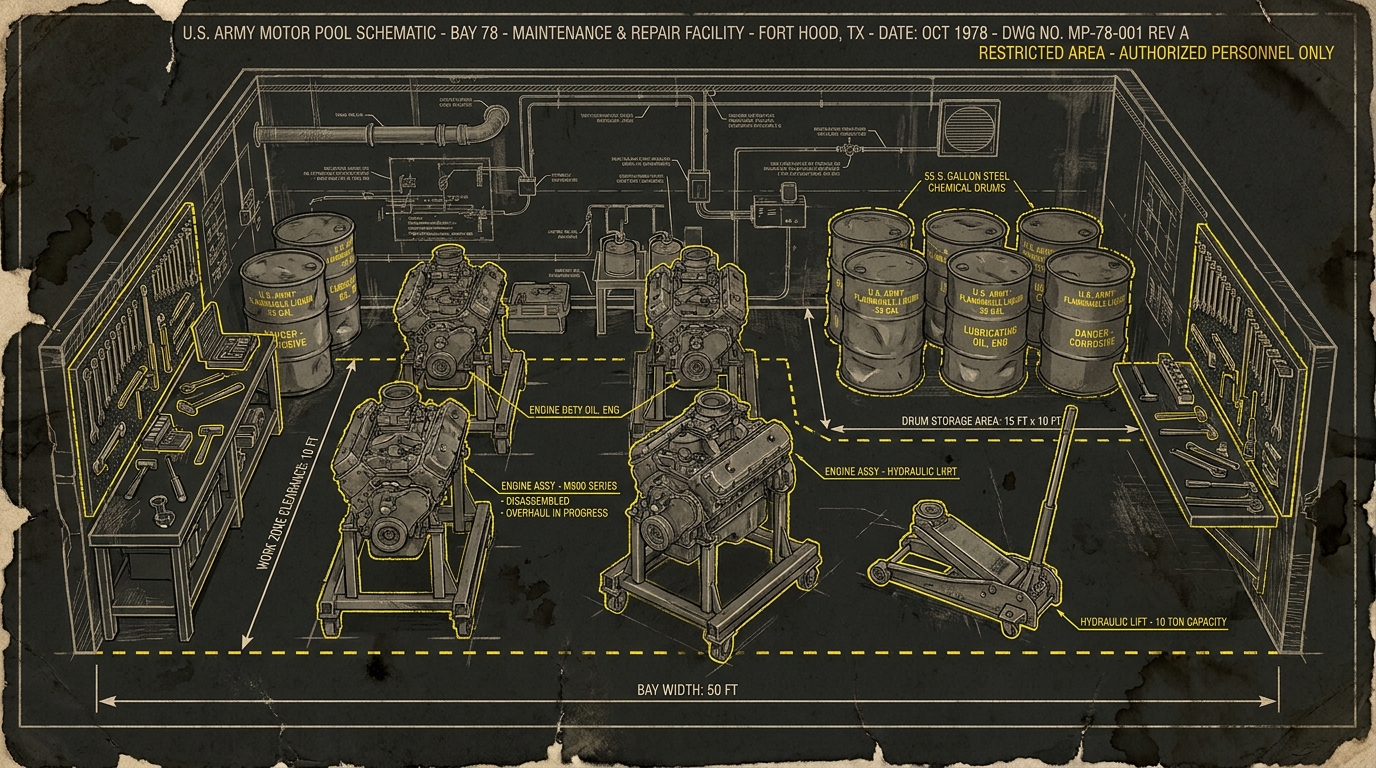
My name is Torque Truth. I spent three decades managing industrial trucking fleets and maintaining military motor pools. In the late 1970s, fuel was scarce, parts took weeks to arrive, and fleets had to run 500,000 miles without breakdowns.
We didn't buy pre-packaged retail additives. We couldn't afford to. Instead, we worked directly with industrial chemists to mix raw, pure solvents like 99.5% pure acetone, industrial-grade xylene, and raw tung oil.
We knew exactly how many milliliters of acetone it took to swell a hardened nitrile seal back to original thickness. We knew the precise concentration of sodium carbonate required to strip lead sulfate crystals off old battery plates and revive cold-cranking amps.
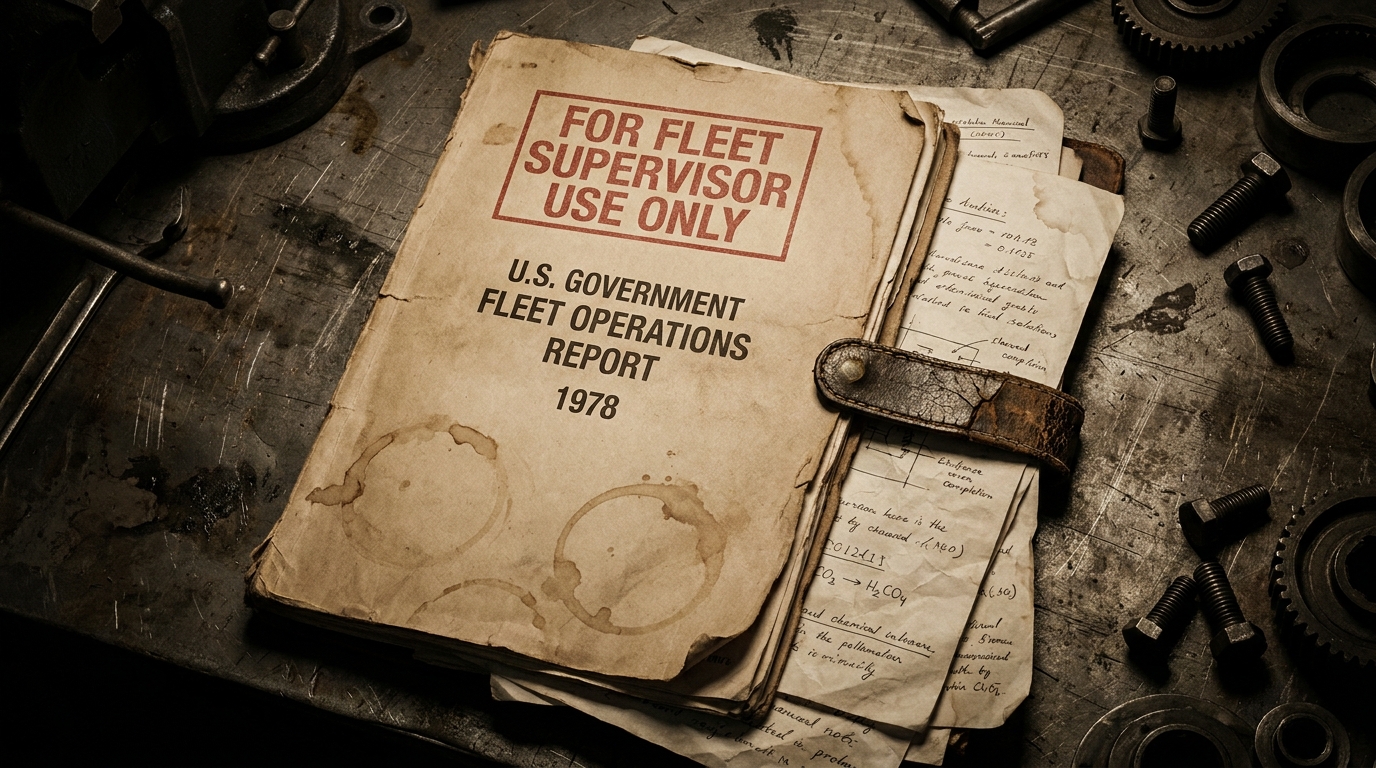
These were standard operating procedures. Then, in the 1980s, corporate planned obsolescence became a board-room strategy. The auto companies realized that making vehicles easy to fix at home killed their new-car sales and dealership service profits. They swept these chemical restoration protocols under the rug, locked the diagnostics behind proprietary computers, and diluted the consumer additives 100-to-1 to ensure they never did more than temporarily mask a symptom.
This blackbook contains the raw, original, undiluted protocols. The exact mixing ratios that corporate executives wanted buried forever.
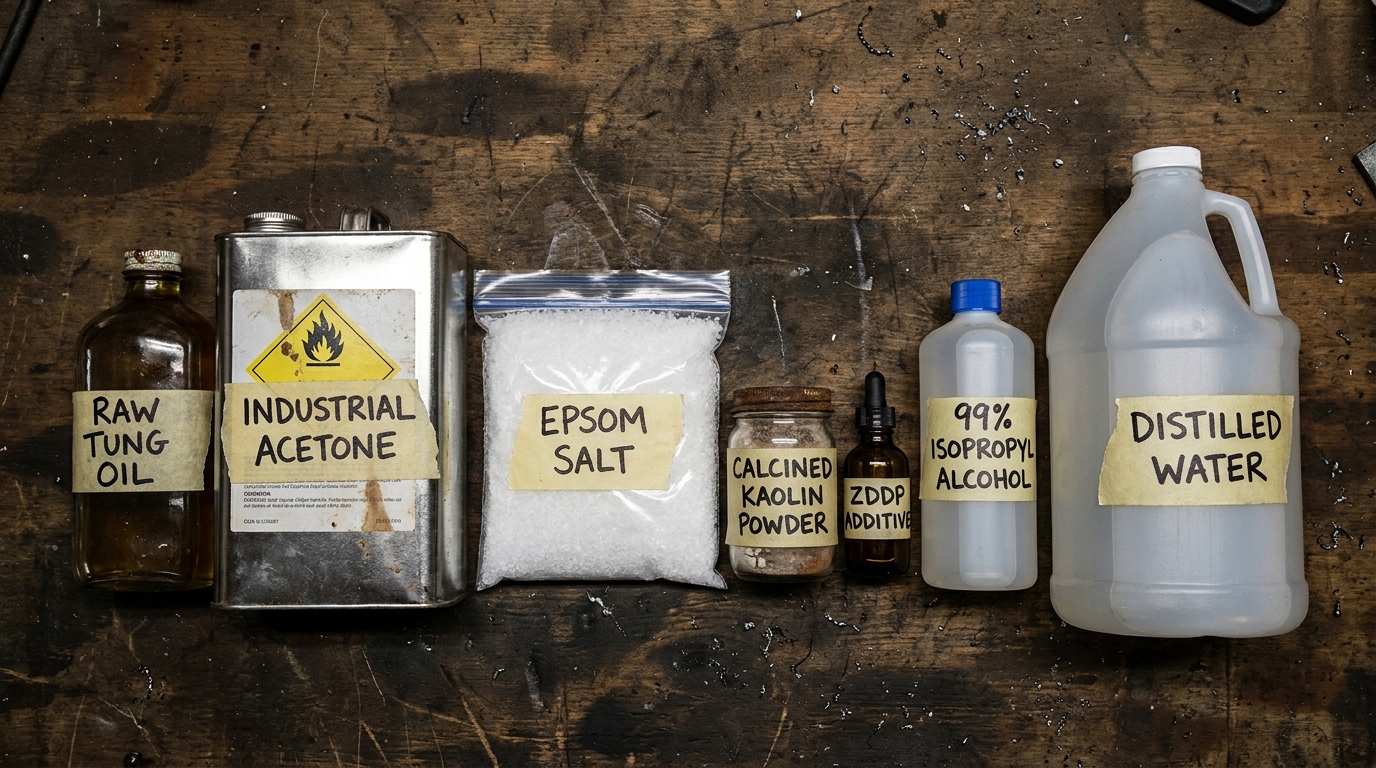
FIGURE 2: ARCHIVED CHEMICAL FORMULATIONS (1978)
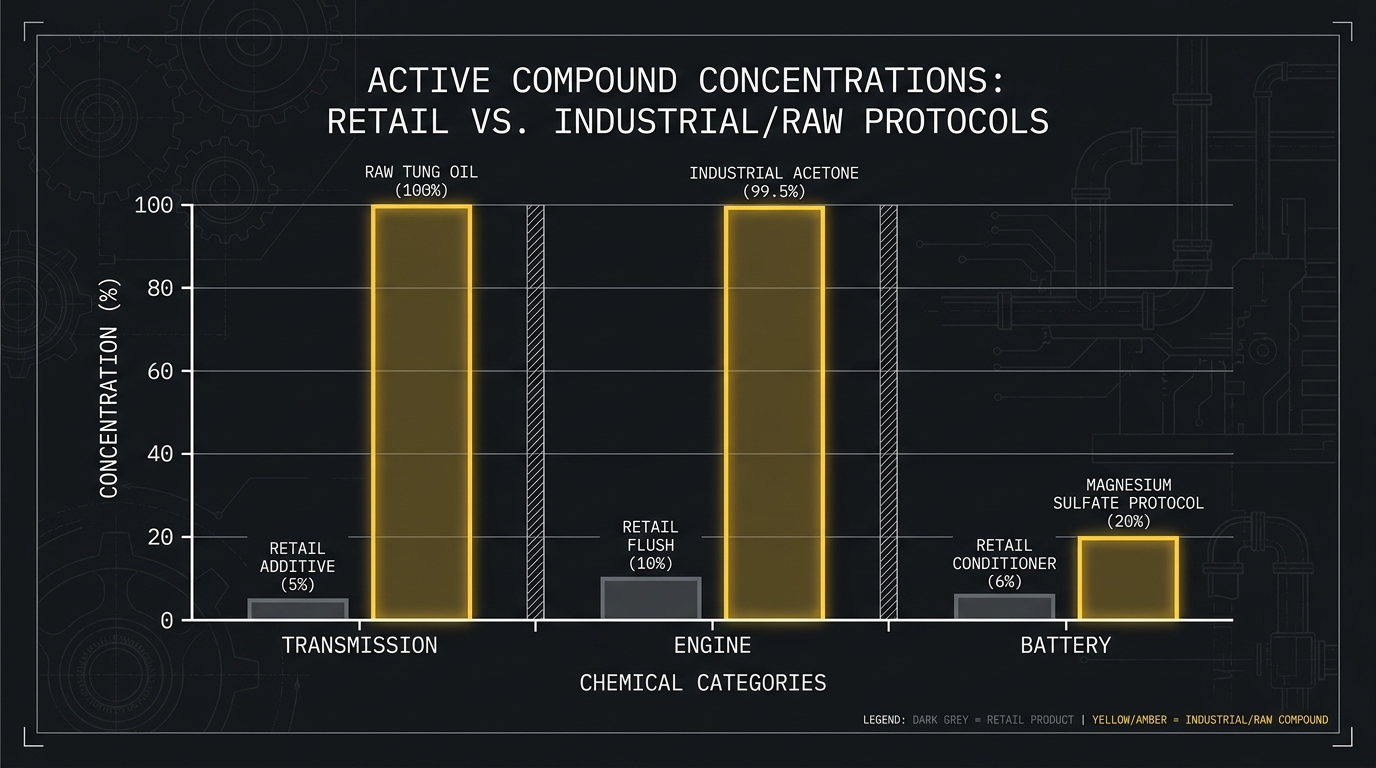
Retail additives (like Seafoam or Lucas) are 98% cheap mineral oil and 2% active ingredients. They are designed to be "safe for idiots" so that even if you pour ten bottles in, you won't melt anything. But because they are diluted, they never reach the concentration required to dissolve baked carbon or re-polymerize rubber seals.
Using 99.5% pure, unbranded industrial solvents triggers a chemical restoration process that retail additives cannot replicate:
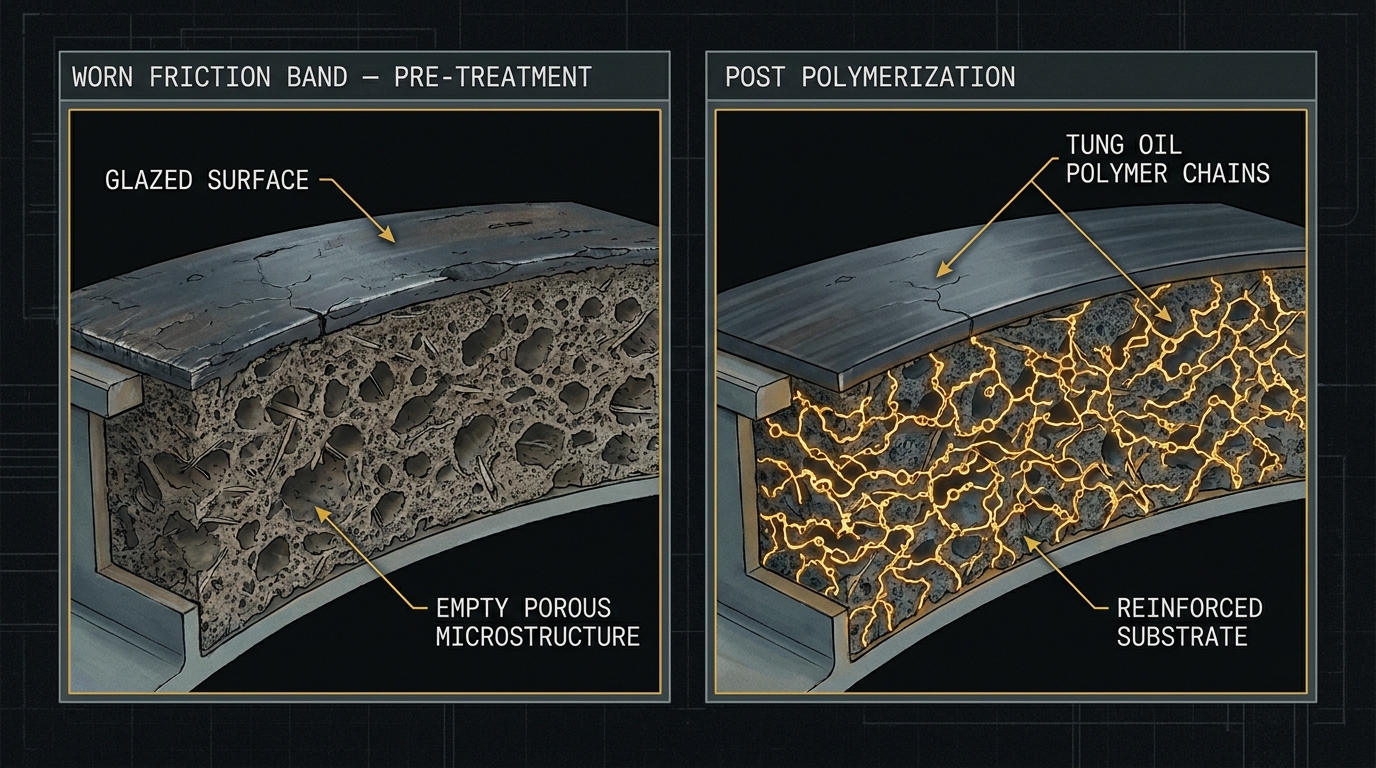
Transmission Seal Swell: Hardened nitrile rubber swells when exposed to specific concentrations of industrial solvents. By introducing the exact ratio, the solvent molecules penetrate the dry polymer matrix, relaxing the cross-linked chains and restoring the rubber's elasticity and original size.
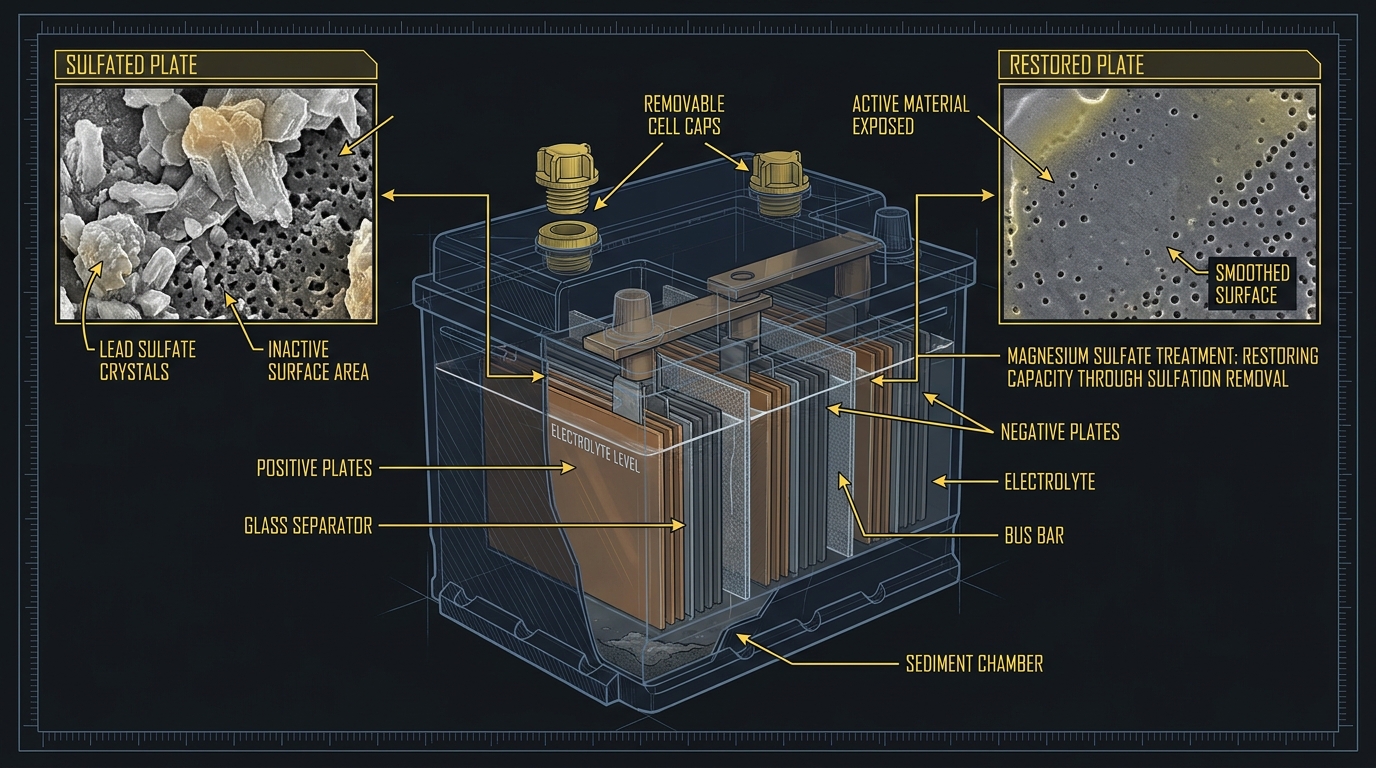
Lead Acid Desulfation: When a battery sits or discharges, lead sulfate crystals coat the lead plates. Retail chargers can't break them off. But a chemical wash at a specific ratio dissolves the crystals, returning the lead and sulfur back into the electrolyte fluid, restoring cold-cranking amps (CCA).
| Comparison Metric | Commercial Retail Additives | The Blackbook Protocols |
|---|---|---|
| Active Concentration | 1.5% - 3% Active Chemicals | 100% Pure, Raw Active Solvents |
| Carrier Fluid | 98% Diluted Mineral Oil | None (You mix exactly what is needed) |
| Cost Per Treatment | $15.99 - $29.99 per bottle | Under $5 (Purchased in bulk at hardware store) |
| Action Mechanism | Temporary coating / lubrication | Molecular re-polymerization / crystal dissolution |
| Long-term Results | Masks symptoms for 500 miles | Permanent restoration of seals & battery plates |
FIGURE 3: Solvent Concentration vs. Rubber Polymer Restoring Rate
You get step-by-step, no-fluff PDF guides detailing the exact chemicals, ratios, and steps to revive your equipment.
The exact ratio of industrial xylene and high-lubricity mineral spirits to mix into slipping automatic transmissions. Restores hardened nitrile rubber pistons, front seals, and valve body gaskets to stop fluid bypass and gear hunting in under 45 minutes of run time.
A 3-step chemical flushing recipe using basic sodium carbonate and warm distilled water. Dissolves lead sulfate crystals from standard lead-acid batteries, allowing old, dead batteries that won't hold a charge to absorb and retain voltage like new.
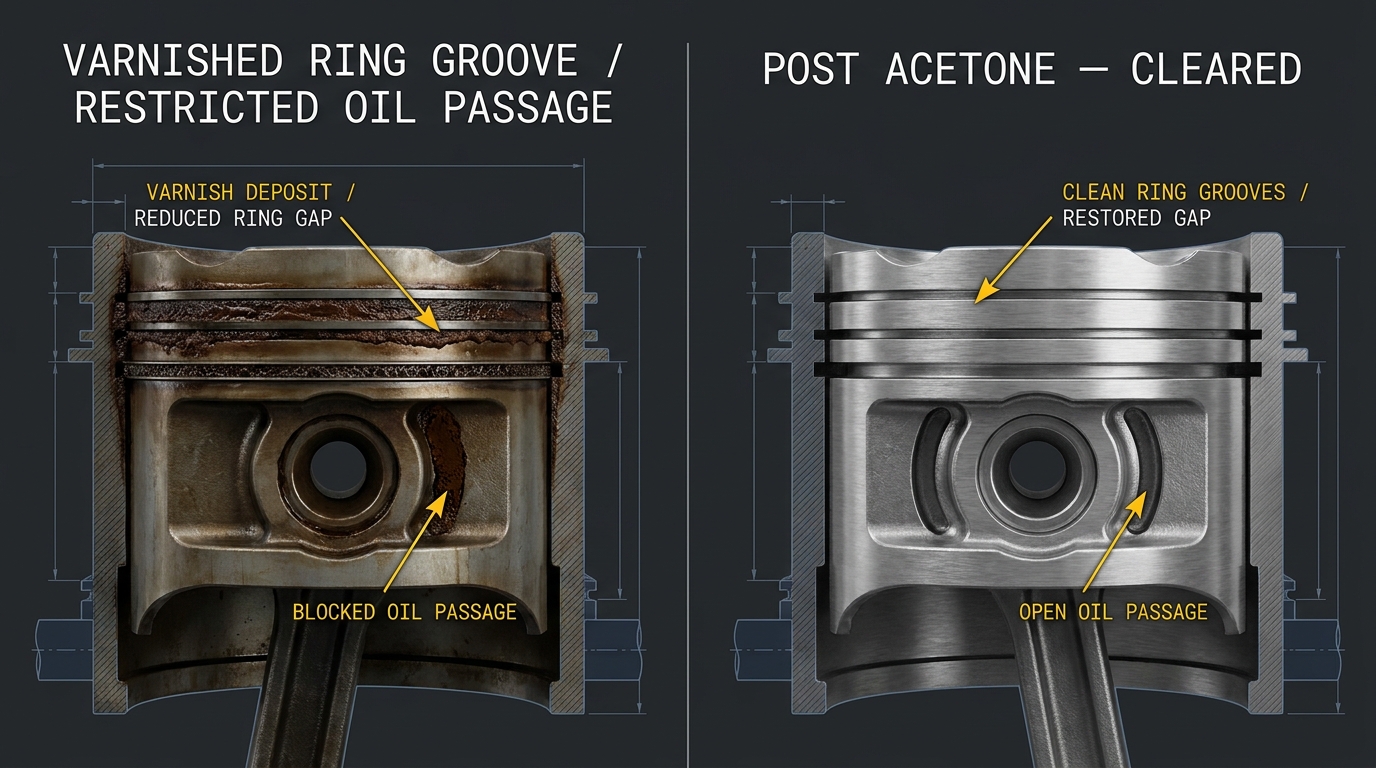
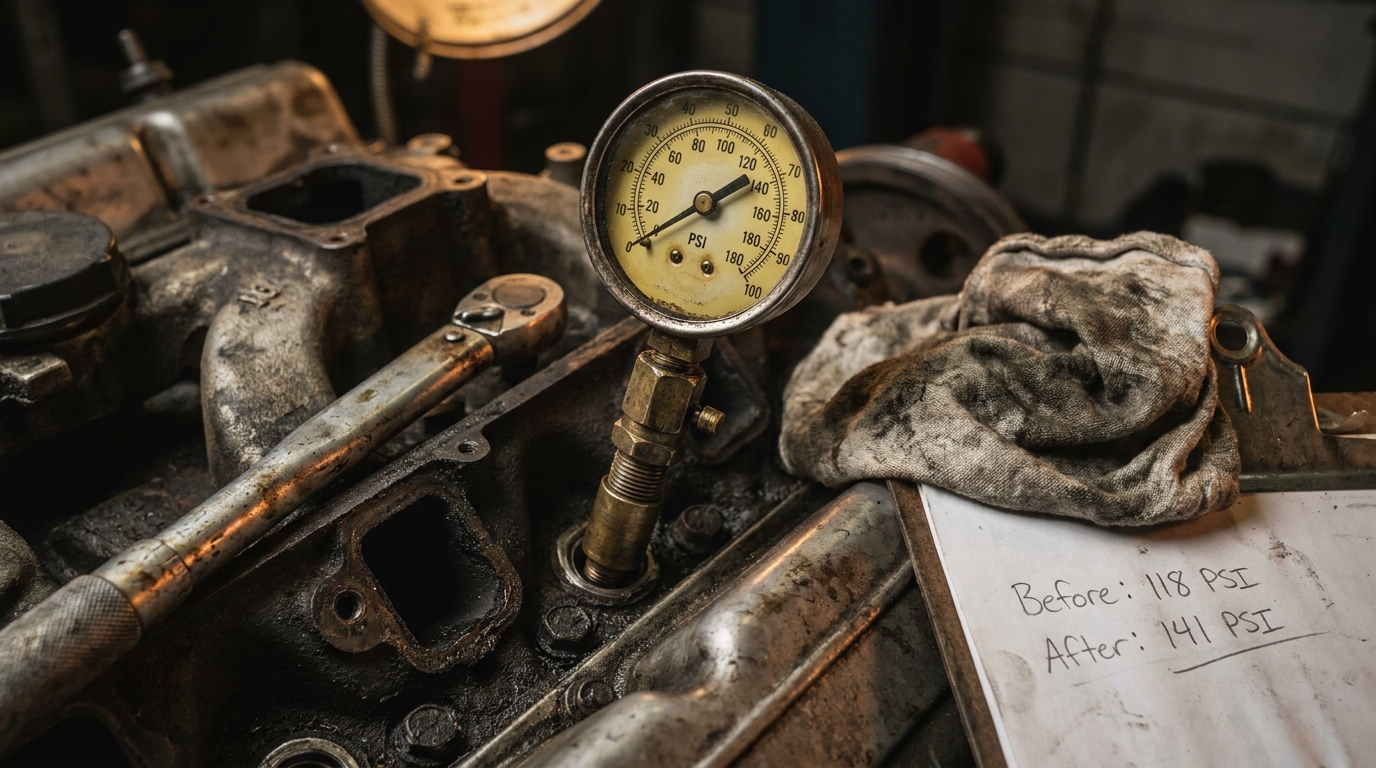
A precise mixture of raw solvents poured directly into spark plug or glow plug holes. Melts baked-on carbon lacquer from compression ring grooves, restoring lost engine compression, reducing oil consumption, and stopping blow-by.
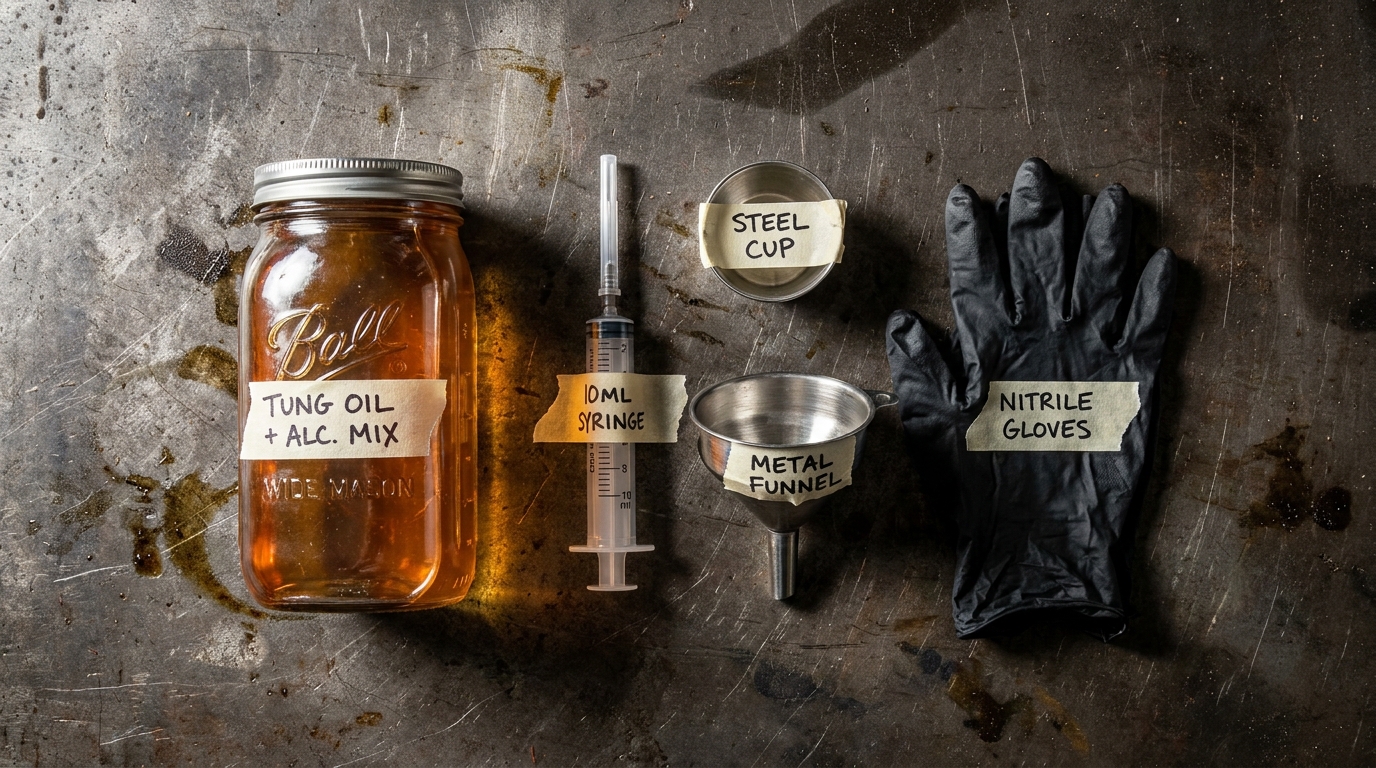
Includes the exact specifications, chemical purity ratings, and mixing tools needed. No brand names—just the raw, unbranded industrial chemicals you can buy off the shelf at any Home Depot, Lowe's, or local hardware store for pennies.
Spend $37 today to get the Blackbook. Spend under $5 at the local hardware store for the raw chemical ingredients. Solve the issue in your driveway in less than an hour.
Immediate PDF delivery to your email address. Read on phone, tablet, or desktop.
We don't pay for fake influencer reviews. These are gritty, verified statements from real homesteaders, off-gridders, and DIYers who refuse to be scammed.
"My 1996 F-250 transmission was slipping badly going from 2nd to 3rd. Dealer quoted me $3,800 for a rebuild. I was ready to scrap the truck. Read Torque's Slipping Seal Swell Protocol, bought $4 worth of chemicals at Lowe's, poured it in, and drove 20 miles. Shifts smoother than my wife's brand new sedan now."
"Had three deep cycle battery banks on my solar system that refused to hold a charge past 10.5V. I was looking at $600 to replace them. The battery desulfation chemical bath took me an hour on Saturday. Followed the ratio exactly. All three batteries are back to pulling 12.8V under load."
"The piston ring dissolver saved my lawn service business. I had an old John Deere tractor blowing thick blue smoke and burning a quart of oil every 4 hours. Carbon was completely locked on the rings. Did Torque's piston soak, compression is up to 135 PSI across all cylinders, smoke is gone. Saved me a engine rebuild."
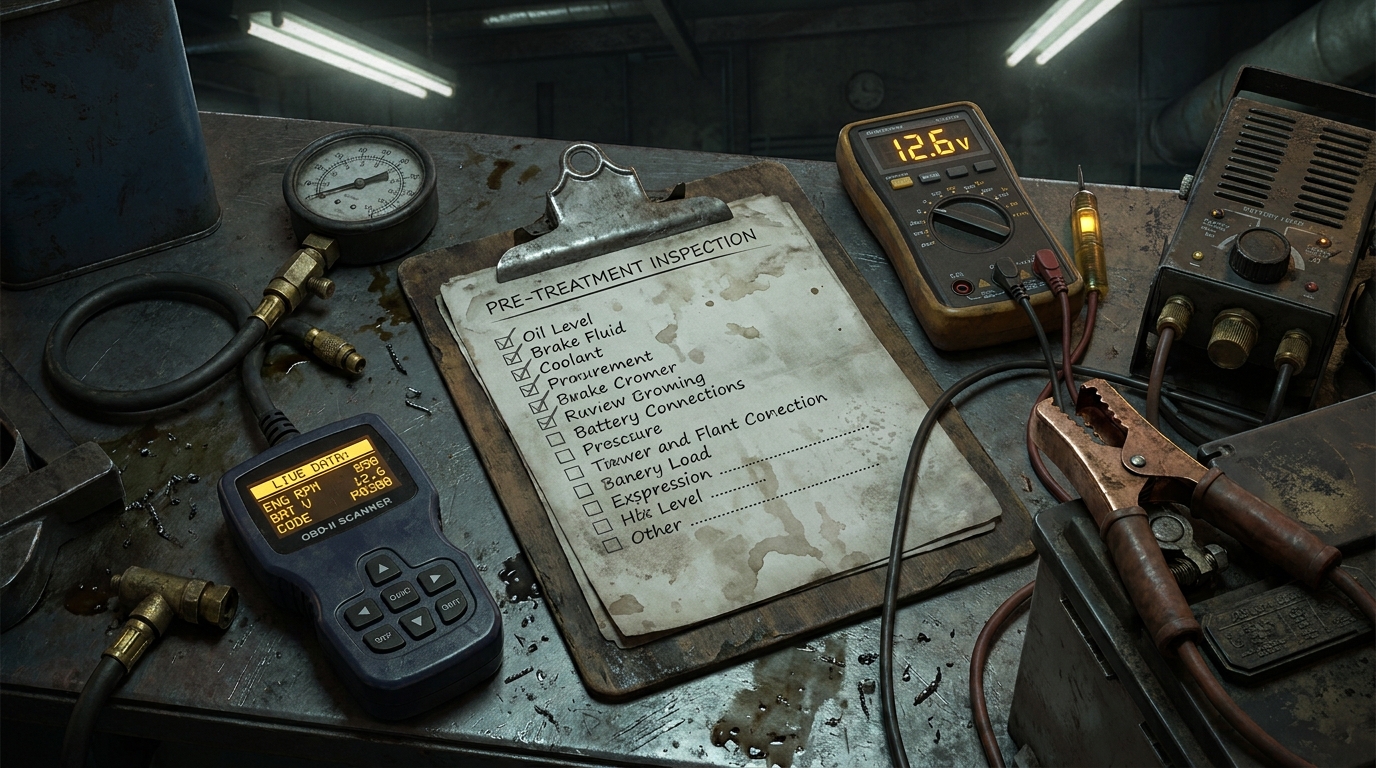
FIGURE 4: Diagnostic Inspection Bench at Torque Truth Archives
If your transmission doesn't shift smooth or your battery doesn't hold a charge within 7 days of applying the protocols, email my team at support@torquetruth.com and get every single cent of your $37 back. No questions. No corporate hoops. Keep the files and checklists anyway.
You can keep feeding your hard-earned dollars to corporate executives who want your truck to decay, or you can spend $37 once to master these fleet-tested chemical secrets forever.
Yes, provided you follow the chemical ratios and application steps exactly. These protocols were used by large logistics fleets and military technicians for millions of combined road miles. However, because they are highly concentrated, you must measure exactly. A deviation of more than 10% can lead to damage. If you follow the checklists, you will be fine.
You do not need an industrial chemical license. Every ingredient in this book is sold off-the-shelf at standard home centers, hardware stores, paint supply stores, or supermarkets. They are unbranded, raw chemical solvents sold in standard metal or plastic containers.
The mechanical components of a transmission and an engine remain identical—pistons still have rings, clutches still need hydraulic pressure, and rubber seals are still used. These protocols work on older trucks, tractors, boats, off-grid battery arrays, and any vehicle out of manufacturer warranty.
The book is delivered as an instant digital download in PDF format. Once you complete the Gumroad checkout, you will receive an email containing a link to download the files immediately. You can read them on your computer, tablet, or smartphone, or print them out to keep on your workbench.